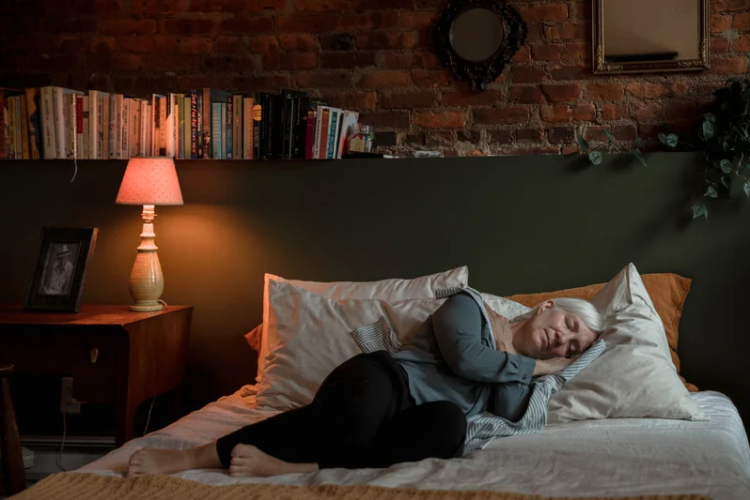
Have you ever gone to bed feeling completely exhausted, only to wake up in the middle of the night and struggle to fall asleep again? Maybe you find yourself waking up earlier than planned, feeling restless throughout the night, or starting your mornings without feeling properly refreshed.
If you’re over 50 and experiencing these problems, you’re certainly not alone.
Sleep patterns can change as we grow older. Some people begin feeling sleepy earlier in the evening, while others notice that their sleep becomes lighter or that they wake up more frequently during the night. Everyday concerns, changes in physical activity, medications, discomfort, and health conditions can also influence how well you sleep.
But here’s something worth remembering: getting older doesn’t mean you have to accept poor sleep as a normal part of life.
One of the best places to begin is by improving your sleep hygiene.
Sleep hygiene simply means developing daily habits and creating an environment that encourages healthy, consistent sleep. It includes everything from your morning routine and caffeine consumption to your evening activities and bedroom conditions.
Although healthy sleep habits cannot solve every sleep-related problem, they can help remove common obstacles that interfere with rest.
You don’t need expensive products, complicated routines, or dramatic lifestyle changes to get started.
In this guide, we’ll explore 11 practical sleep hygiene habits for adults over 50, explain how each one supports better sleep, and share simple ways to introduce them into your everyday routine.
Let’s get started!
What Is Sleep Hygiene and Why Is It Important?
Sleep hygiene refers to the everyday behaviours and environmental conditions that support healthy sleep.
Think of it as creating the right conditions for your body and mind to relax at night.
For example, maintaining a consistent bedtime, getting enough natural daylight, avoiding late-afternoon caffeine, and keeping your bedroom comfortable are all examples of good sleep hygiene.
These habits work together to support your body’s natural sleep-wake cycle, also known as the circadian rhythm.
However, sleep hygiene involves more than simply deciding when to go to bed.
Your daytime activities, stress levels, eating habits, exposure to light, and even the way you respond to nighttime awakenings can influence your sleep experience.
It’s also important to understand that sleep hygiene is not a medical treatment for every sleep disorder. People experiencing chronic insomnia, sleep apnoea, or other underlying conditions may require professional evaluation and specific treatment.
For chronic insomnia, cognitive behavioural therapy for insomnia (CBT-I) is generally recommended as a first-line treatment for adults.
The purpose of developing healthier habits is to support your natural sleep patterns while recognising when additional help may be necessary.
Why Does Sleep Become Different After 50?
Reaching your 50s doesn’t automatically mean you’ll experience sleep difficulties. Many people maintain healthy sleep patterns well into older adulthood.
Nevertheless, certain age-related changes can influence sleep.
Your internal body clock may gradually shift, making you feel tired earlier and wake up sooner than you previously did. Your sleep may also become lighter, meaning ordinary noises or physical discomfort can wake you more easily.
Other factors can contribute as well, including:
- Chronic pain or arthritis.
- Menopause-related symptoms.
- Medication side effects.
- Reduced physical activity.
- Changes in daily responsibilities.
- Stress, anxiety, or emotional concerns.
- Frequent nighttime bathroom visits.
- Sleep disorders such as obstructive sleep apnoea.
Your lifestyle can also make a difference.
For instance, spending less time outdoors, taking long afternoon naps, drinking caffeinated beverages late in the day, or following an irregular bedtime can make healthy sleep more difficult.
According to general sleep recommendations, adults aged 50–64 should aim for at least seven hours of sleep per night, while adults aged 65 and older generally need around seven to eight hours. Individual requirements can vary.
The goal isn’t necessarily to sleep exactly as you did when you were younger. Instead, focus on developing a routine that provides sufficient, restorative rest for your current needs.
Let’s look at the habits that can help.
11 Essential Sleep Hygiene Habits for Adults Over 50
1. Maintain a Consistent Bedtime and Wake-Up Schedule
One of the simplest ways to support better sleep is to establish a regular daily sleep schedule.
Your body operates according to an internal biological clock that helps regulate sleepiness, alertness, and other daily functions.
This clock responds to several signals, including light exposure, physical activity, meals, and your usual sleeping hours.
When you frequently change your bedtime and wake-up time, your body may receive inconsistent signals about when it should prepare for sleep.
For example, you might go to bed at 9:30 p.m. on Monday, stay awake until midnight on Tuesday, and sleep until 9 a.m. on Wednesday. Repeating this pattern can make your sleep routine less predictable.
A consistent schedule can help provide a more stable foundation.
How to make this habit practical
Start by selecting a wake-up time that fits your everyday responsibilities.
If you need to wake up at 6:30 a.m., you could plan to go to bed around 10:30 p.m. to allow approximately eight hours in bed.
Adjust your bedtime according to your individual sleep needs and how long you typically take to fall asleep.
Try to maintain your schedule on weekends, too. Small variations are perfectly reasonable, but avoid making large changes whenever possible.
If you naturally become sleepy earlier in the evening than you used to, there’s no need to fight it. An earlier bedtime may simply suit your current body clock better.
Helpful tip: Choose a realistic wake-up time and follow it consistently for the next seven days. Observe whether your sleep becomes more predictable.
2. Spend Time in Natural Daylight Every Day
Your sleep routine doesn’t begin when you enter your bedroom. In fact, one of the most helpful things you can do for nighttime rest happens during the daytime.
Natural light plays an important role in regulating your circadian rhythm.
Exposure to daylight, especially during the morning, helps your body recognise that it’s daytime. This supports the natural distinction between daytime alertness and nighttime sleepiness.
People who spend most of their time indoors may receive less natural light than their bodies need for a consistent sleep-wake pattern.
Fortunately, you don’t need to spend hours outside to make this habit part of your lifestyle.
How to make this habit practical
Consider including a little outdoor time in your morning routine.
Some simple activities include:
- Taking a gentle walk after breakfast.
- Enjoying your morning tea near a sunny window.
- Sitting in your garden for a few minutes.
- Watering plants or doing light gardening.
- Walking to a nearby shop when practical.
- Opening your curtains shortly after waking.
If walking is difficult, sitting in a safe outdoor area or near a bright window can be a manageable alternative.
Remember to protect your skin and eyes appropriately, and never look directly at the sun.
Regular daylight exposure isn’t a guaranteed treatment for insomnia, but it can help support a healthier sleep-wake rhythm.
3. Include Regular Physical Activity in Your Daily Routine
Staying physically active is beneficial at every age, and it becomes particularly important for maintaining overall health as you grow older.
Regular movement supports muscle strength, flexibility, balance, cardiovascular health, and independence. It may also contribute to improved sleep quality.
However, being active doesn’t mean you need to spend hours exercising at a gym.
You can choose activities that match your physical abilities and personal interests.
For example, some people enjoy walking, while others prefer swimming, gardening, cycling, gentle stretching, or suitable exercises at home.
Even breaking up long periods of sitting with short movement breaks can be a useful starting point.
How to make this habit practical
If you currently spend most of your day sitting, begin with something simple.
You could:
- Walk for 10 minutes after breakfast.
- Try gentle stretching in the morning.
- Do light household activities.
- Spend time gardening.
- Take short movement breaks throughout the day.
- Participate in a suitable low-impact exercise programme.
Choose activities that feel comfortable rather than pushing yourself into an exercise routine that causes unnecessary discomfort.
If you have arthritis, balance problems, heart disease, or another medical condition, ask your healthcare professional which activities are appropriate.
Pay attention to exercise timing, too. Some people find vigorous physical activity shortly before bedtime makes them feel more alert. If this happens to you, try moving demanding workouts earlier in the day.
Regular movement is more important than following an unnecessarily complicated exercise plan.
4. Limit Caffeine During the Afternoon and Evening
That afternoon cup of coffee or tea might be affecting your nighttime sleep more than you realise.
Caffeine is a stimulant that works by blocking adenosine, a chemical involved in creating feelings of sleepiness.
After consuming caffeine, you may feel more alert and find it harder to relax when bedtime approaches.
Although its effects vary between individuals, caffeine can remain in your system for several hours.
This means that a drink consumed in the late afternoon may still influence your sleep at night.
Coffee isn’t the only source you need to consider. Caffeine is also found in:
- Black tea.
- Green tea.
- Cola drinks.
- Energy drinks.
- Chocolate.
- Certain medications.
If drinking tea is part of your evening routine, you might not immediately connect it with nighttime restlessness.
How to make this habit practical
Start by paying attention to how much caffeine you consume and when you consume it.
If you regularly struggle to fall asleep, experiment with moving your final caffeinated drink to the morning or earlier afternoon.
You can also try replacing your evening coffee or tea with a caffeine-free alternative.
You don’t necessarily need to eliminate every caffeinated beverage. The objective is to discover whether changing the timing or amount improves your sleep.
If you use medication containing caffeine, consult a pharmacist before making changes.
5. Avoid Using Alcohol as a Sleep Aid
Some people believe having an alcoholic drink before bedtime helps them relax and fall asleep more quickly.
Although alcohol may initially make you feel sleepy, its effects on nighttime sleep are not necessarily beneficial.
Alcohol can interfere with normal sleep patterns and contribute to fragmented rest later in the night.
You might fall asleep relatively quickly but find yourself waking repeatedly, feeling restless, or experiencing poor-quality sleep.
Alcohol can also worsen snoring and obstructive sleep apnoea in some individuals.
This is particularly important for people who already experience breathing-related sleep disturbances.
How to make this habit practical
If you consume alcohol, pay attention to whether your sleep changes on nights when you drink.
Avoid depending on alcoholic beverages to make yourself sleepy.
If you suspect alcohol is contributing to your sleep problems, reducing or avoiding it may help. Discuss this with your healthcare professional, especially if you take medications that interact with alcohol.
People who drink heavily or regularly and experience withdrawal symptoms should seek medical guidance before stopping abruptly, as alcohol withdrawal can be dangerous.
Remember, alcohol is not a reliable treatment for insomnia.
6. Keep Afternoon Naps Short and Avoid Sleeping Too Late
A short nap during the day can sometimes make you feel more energetic and refreshed.
However, long naps or sleeping too late in the afternoon may interfere with your ability to fall asleep at night.
To understand why, it’s helpful to know about sleep pressure.
Sleep pressure gradually builds while you’re awake. The longer you stay awake, the stronger your body’s natural drive for sleep becomes.
When you take a long afternoon nap, you reduce some of that sleep pressure.
As a result, you might feel less sleepy when your normal bedtime arrives.
For example, sleeping for two hours at 5 p.m. could make it more difficult to fall asleep at 10 p.m.
How to make this habit practical
If you enjoy daytime naps, consider keeping them relatively short and taking them earlier in the afternoon.
A nap of approximately 20 minutes can be a useful starting point for many people.
Try to avoid turning an occasional rest into several hours of daytime sleep.
However, there’s no reason to eliminate naps automatically if they don’t interfere with your nighttime rest.
If you regularly feel excessively sleepy despite allowing enough time for sleep, consider discussing the problem with a healthcare professional.
Persistent daytime sleepiness can sometimes indicate an underlying sleep disorder, medication effect, or another medical issue.
7. Develop a Relaxing Bedtime Routine
Your mind doesn’t always become quiet the moment you lie down.
You may spend the entire day handling responsibilities, thinking about family matters, completing household tasks, or dealing with stressful situations.
Going directly from these activities to bed can make it difficult to relax.
A calming evening routine gives your body and mind an opportunity to transition from daytime activity to nighttime rest.
The best part is that you don’t need an elaborate routine.
Even 20 to 30 minutes of peaceful activities can provide a useful starting point.
How to make this habit practical
Choose activities that help you feel
Leave a Reply